
Preparing for a Diabetic Eye Exam in O’Fallon: Health Updates and Vision Questions to Share
Preparing for a Diabetic Eye Exam in O’Fallon: Health Updates and Vision Questions to Share
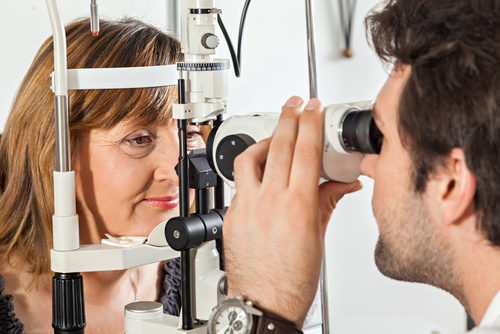
You can read every line on the eye chart and still have early diabetic retinopathy. During a diabetic eye exam at our O’Fallon office, we look for changes in the tiny blood vessels of your retina, the light-sensitive tissue at the back of your eye. A few notes about your blood sugar and anything you’ve noticed about your sight can help us put those findings in context.
What to Bring to Your Appointment
If you have a recent visit summary from the clinician who manages your diabetes, bring it along or pull it up on your phone. It helps to have these details handy.
Your diabetes type and roughly when you were diagnosed
Your latest A1C result, when it was measured, and any recent changes in your usual blood sugar readings
Your current medications and eye drops, including any recent dose changes
Updates about your blood pressure and any previous treatment for diabetic eye disease
For the trip home, bring sunglasses and arrange a ride. The drops we use to dilate your pupils can make close-up vision blurry and daylight feel unusually bright for a few hours.
How to Describe Changes in Your Vision
If your vision gets blurry, tell us what you were doing when you noticed it. “The words on my phone looked fuzzy in both eyes for an hour yesterday” tells us more than “My glasses seem weak.” Mention whether the blur clears up and, if you checked your blood sugar around that time, what the reading was. Blood sugar shifts can temporarily affect how your eyes focus.
If you suddenly lose vision, see new flashes of light or a shower of floaters, or notice a curtain-like shadow, seek emergency eye care right away.
Questions to Ask Before You Leave
“Did you see any bleeding or swelling in my retina?” is a good starting point. If you’ve had a previous exam, ask what has changed and when we should check again. You can also ask us to send the results to the clinician who manages your diabetes so you can discuss them at your next visit.
Call Tomasino Goerss Vision Source in O’Fallon, MO, at (636) 272-1444 to schedule your diabetic eye exam.
Quick Links
Helpful Articles
All Eye Care Services
Find personalized eye care excellence with our comprehensive services. From eye exams to advanced diagnostics, trust us for all your vision needs.

Keep In Touch
For non-urgent questions or to learn more about our services, contact us today!
Hours of Operation
- Monday 8:30am - 5:00pm
- Tuesday 8:30am - 5:00pm
- Wednesday 8:30am - 6:00pm
- Thursday 8:30am - 5:00pm
- Friday 8:30am - 5:00pm
- Saturday Closed
- Sunday Closed
On every fourth Friday, we will be closed for a lunch meeting, and every second Tuesday, we will be closed until 1:00 pm for our monthly staff meeting.
© 2026 Tomasino Goerss Vision Source. All rights Reserved - Accessibility Statement - Privacy Policy - Sitemap
Managed and Designed by 